Cardiology Marketing: How to Grow Your Practice and Reach More Patients
Cardiovascular disease kills nearly 2,500 Americans every day — making it the nation's leading cause of death, ahead of all cancers and accidental deaths combined. The patients who need you are out there. The question is whether they can find you.
For decades, cardiology practices grew on physician referrals and word-of-mouth alone. That model still matters, but it no longer carries a practice on its own. Today, 93% of Americans search for health information online before making decisions about their care, and AI-powered search summaries now surface in over half of all healthcare queries. If your practice isn't showing up where patients are looking, you're ceding ground to practices that are — often larger hospital systems with dedicated marketing departments.
The good news: cardiology marketing doesn't require a massive budget or a full-time marketing team. It requires clarity about who you're trying to reach, and a set of targeted strategies that build visibility, trust, and referrals over time. Here's what works.
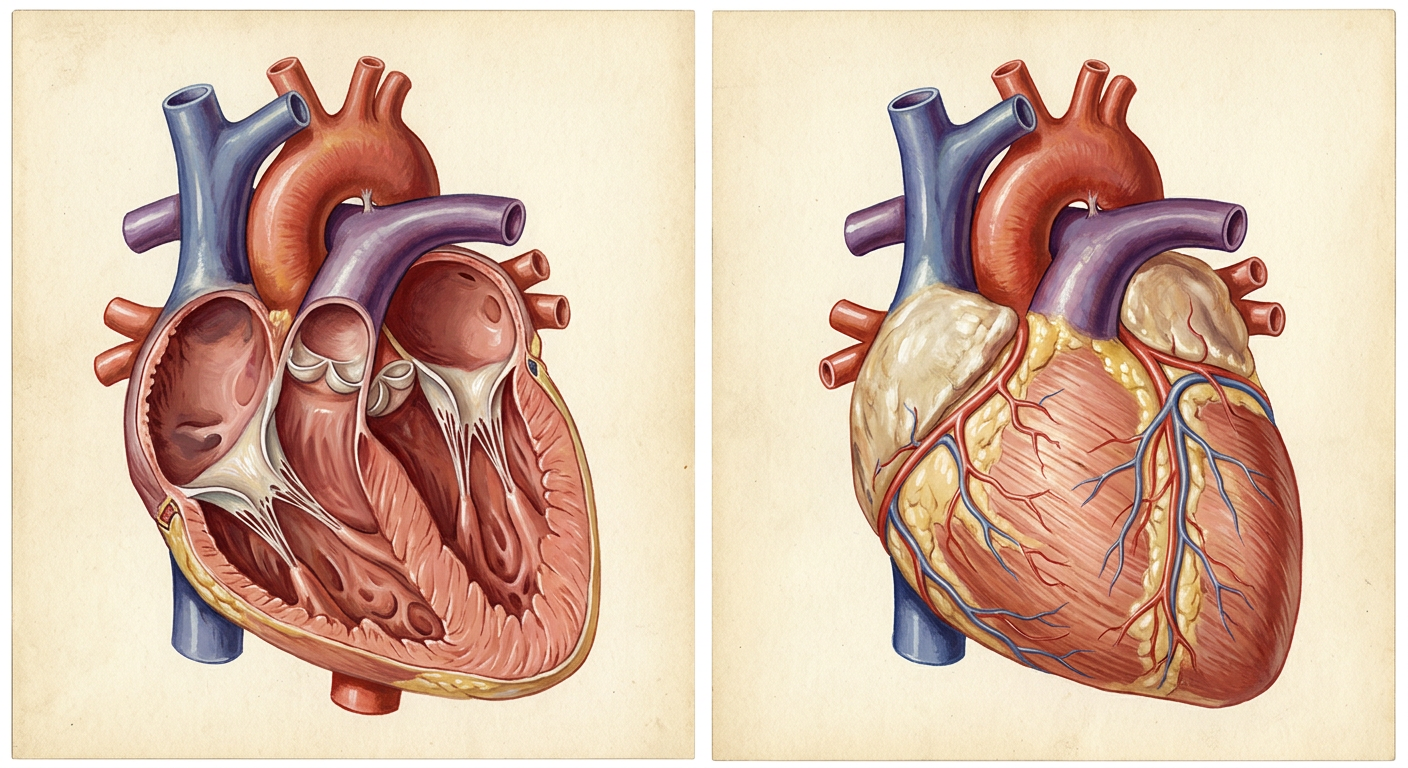
Why Cardiology Practice Marketing Has Changed
The traditional referral model assumed that primary care physicians would funnel patients to cardiologists, and that reputation traveled through professional networks. That system still exists — but patients are increasingly entering the funnel from a different direction.
A patient who experiences chest discomfort doesn't necessarily call their PCP first. They search. They read. They look at reviews. They check whether a cardiologist has a website that answers their questions in plain language. By the time they call an office, many patients have already formed an opinion about which practice they want to see.
This shift puts content and digital presence at the center of cardiology practice growth — not as a replacement for physician referrals, but as a parallel channel that now drives a significant share of new patient volume. One independent cardiology group documented a 60% surge in new patients after implementing a structured digital marketing strategy, with cost per patient acquisition staying below $100.
Build a Search Presence That Matches How Patients Look for Care
Search engine optimization for cardiology practices is less about gaming algorithms and more about answering the questions your patients are actually asking. Someone searching "best cardiologist near me" or "chest pain specialist [city]" is a high-intent patient. They've already decided they need a cardiologist — they just need to decide which one.
The foundation is local SEO. Your Google Business Profile should be fully filled out: hours, accepted insurances, services offered, photos, and a consistent NAP (name, address, phone number) across every directory where your practice appears. Practices that invest in this basic infrastructure see measurable gains — one practice increased organic traffic by 91% in three months through local SEO alone.
Beyond local listings, your website needs service pages that speak to the conditions you treat in clear, patient-facing language. A page on atrial fibrillation should explain what it is, what symptoms look like, how it's diagnosed, and what treatment involves — not just list it as a service. These pages rank for informational queries and position your practice as an authority before the patient ever picks up the phone.
The other major shift in 2026 is AI-driven search. Answers from ChatGPT, Perplexity, and Google AI Overviews now surface for a growing share of medical queries. These AI tools pull from structured, well-written content — which means practices that publish substantive educational material are more likely to get cited in AI-generated answers, creating a new tier of organic visibility.
Content Marketing That Builds Trust Before the First Appointment
Cardiology patients are often navigating a diagnosis that feels overwhelming: a recent heart attack, a new arrhythmia, a stress test with concerning results. The practice that earns their trust before the first appointment is the one that helped them understand what they were facing.
This is where content marketing pays dividends beyond SEO. A library of well-written blog posts, patient guides, and educational videos communicates something that no Google Ad can: that your physicians understand the experience of being a cardiac patient, and that they explain things clearly.
The most effective cardiology content falls into a few categories. Condition explainers — what is coronary artery disease, how is heart failure diagnosed, what does an echocardiogram show — answer questions patients are actively searching and build SEO equity over time. Procedure guides reduce anxiety before appointments and reduce no-show rates. And practice news, like the addition of a new diagnostic technology or a cardiologist who specializes in a particular condition, keeps referring physicians informed.
One underutilized format in cardiology is the patient story. With appropriate consent, brief narratives about how a patient's condition was caught early and treated effectively are among the most compelling content a practice can publish. They're credible in a way that marketing copy isn't.
Online Reputation Management: The Modern Referral
Physician referrals remain the backbone of most cardiology practices. But what happens after a PCP gives a patient two or three names? The patient goes home and looks up each of those practices. The one with a 4.8-star rating and 80 recent reviews tends to get the call.
Online reputation management isn't about gaming reviews — it's about systematically asking satisfied patients to share their experience at the right moment. One practice automated this process through its patient communication platform and saw its average Google rating jump from 2.2 to 4.8 stars within a few months. That change didn't reflect a dramatic shift in care quality; it reflected a shift in who was being asked to share their feedback.
Responding to negative reviews matters too. A thoughtful, HIPAA-compliant response to a negative review signals to prospective patients that the practice takes feedback seriously. It also signals to Google that the practice is actively managed. Practices that ignore negative reviews, especially without engaging with positive ones, are leaving their reputation to chance.
Physician Referral Development: The Channel That Still Drives the Most Revenue
For most cardiology practices, physician referrals account for a majority of high-value patient volume — complex cases, procedures, and follow-up care that generate significant revenue per patient. Digital marketing builds visibility, but referral relationships build a practice's case mix.
Effective referral development in 2026 looks different from the dinner-and-golf model of the past. It starts with making it genuinely easy for PCPs and other specialists to refer: fast access to records, reliable communication back to the referring physician, and turnaround times that protect the referring physician's patient relationships.
Beyond logistics, the most valuable referral marketing tool is clinical communication. A quarterly newsletter to referring physicians — covering new diagnostic capabilities, relevant research, or changes in treatment protocols — keeps your practice top of mind in a way that doesn't feel like advertising. It positions your cardiologists as clinical partners, not just service providers.
Practice liaisons who visit referring physician offices also remain effective, particularly for smaller practices that don't have the institutional name recognition of a hospital system. The goal isn't a sales call; it's making sure referring physicians know what you offer, what makes your practice different, and that sending a patient to you reflects well on them.
Patient Education Visuals That Differentiate Your Practice
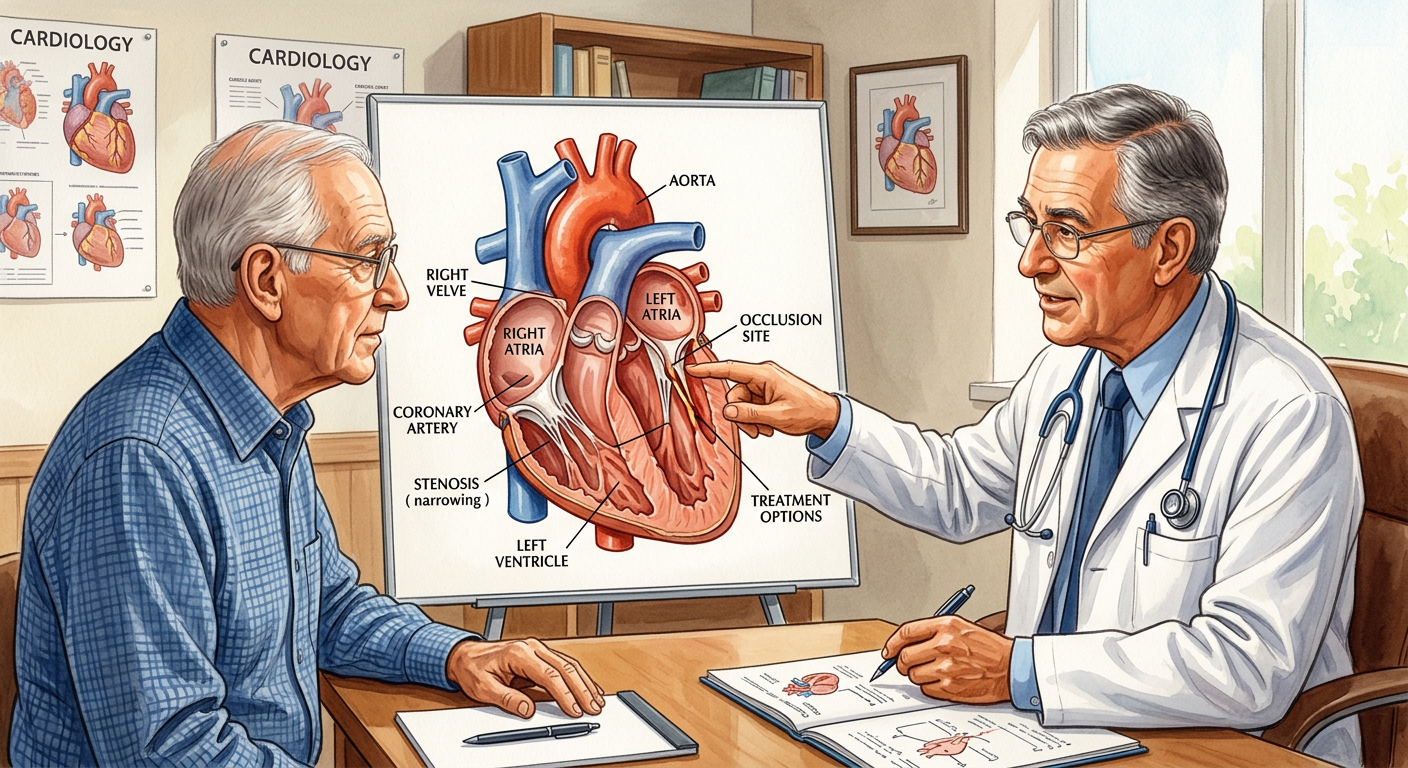
How a cardiologist explains a diagnosis shapes how a patient experiences their care. A physician who can show — not just tell — what's happening in a patient's heart changes the entire dynamic of the consultation. Patients who understand their condition are more likely to adhere to treatment, less likely to miss follow-up appointments, and more likely to refer family members who need cardiac care.
For decades, cardiology practices relied on stock anatomy posters, generic clipart, and printed handouts that looked dated and generic. These materials communicated the information but said nothing about the quality of the practice.
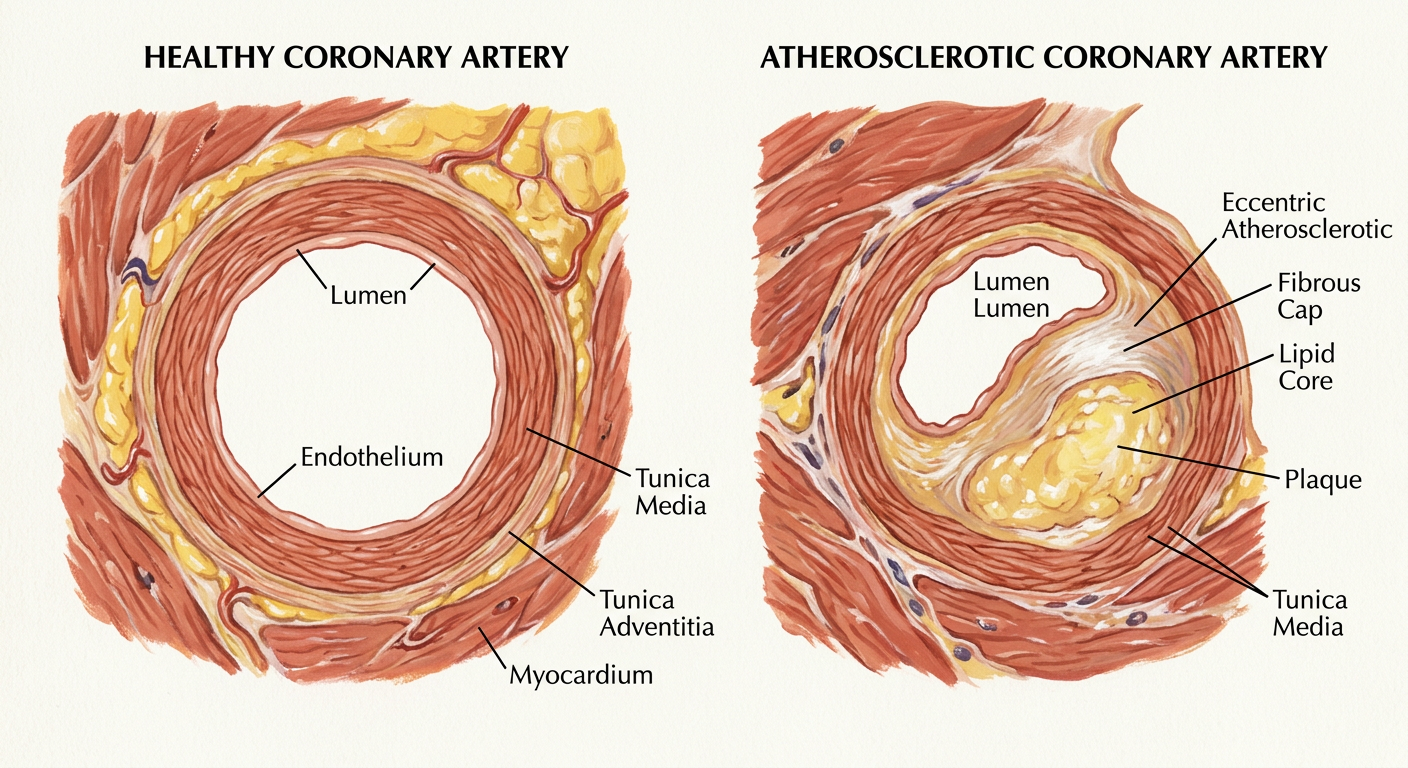
AI-generated medical illustration tools like Natomy AI change what's possible here. A cardiologist can now generate precise, clinical-grade anatomical illustrations tailored to specific conditions — a diagram showing plaque buildup in a patient's specific type of coronary artery disease, or a clear depiction of where a patient's arrhythmia originates — in minutes, without a medical illustrator on retainer. These visuals can be incorporated into patient education materials, consent forms, website content, and presentation slides for referring physician events.
The downstream marketing effect is real: practices that invest in professional-looking patient education materials get mentioned in reviews, recommended in conversations between patients, and noticed by referring physicians who see the quality of materials being sent back with shared patients.
Paid Advertising: When and How It Makes Sense
Pay-per-click advertising through Google Ads can generate immediate patient inquiries for high-value cardiology services — particularly elective or time-sensitive procedures where patients are actively searching. Ads for cardiac screenings, arrhythmia treatment, and structural heart disease specialists can be highly targeted geographically and by search intent.
The challenge with paid advertising in cardiology is cost: cardiovascular and cardiology-related keywords are among the more competitive in healthcare, with CPCs that can run higher than other medical specialties. This makes campaign targeting and landing page quality critical. A patient clicking an ad for "AFib treatment specialist" should land on a page that speaks directly to atrial fibrillation — not a generic practice homepage.
Paid advertising works best as a supplement to organic SEO, not a replacement. Practices that rely entirely on paid traffic are renting visibility; practices that invest in content and local SEO are building an asset that compounds over time. A reasonable approach is to use paid campaigns to fill near-term capacity while building organic channels that will generate consistent leads at lower cost per acquisition.
Measuring What Matters
Cardiology marketing generates returns, but only if you're measuring the right things. Website traffic is a vanity metric on its own — what matters is how many inquiries, form fills, and appointment bookings that traffic generates. Cost per new patient acquisition, broken down by channel, tells you where to put the next dollar.
Google Analytics paired with call tracking allows practices to attribute phone calls back to the specific page or campaign that drove them. Most practices are surprised to find that a few pieces of content or a handful of referring keyword phrases drive a disproportionate share of their leads — and that shutting off a campaign they thought was working would cost them significant volume.
The practices that grow consistently are the ones that treat marketing as a feedback loop: track what's generating new patients, invest more in those channels, and retire approaches that aren't producing results.
Cardiology marketing isn't a single campaign — it's a system of touchpoints that builds visibility with patients and referring physicians over time. The fundamentals haven't changed: excellent care, fast communication, and a reputation that precedes you. What's changed is that building that reputation now happens partly online, with content and visual materials that shape how patients experience your practice before they ever walk through the door.
For cardiology teams looking to upgrade their patient education materials with professional anatomical illustrations — from coronary artery anatomy to cardiac procedure visuals — Natomy AI makes it possible to generate clinical-grade visuals in minutes, without the cost and turnaround time of traditional medical illustration. See what it can produce for your practice at natomy.com.
Ready to create your own medical illustrations?
Upload a clinical photo and generate a professional illustration in seconds.
Try for Free →